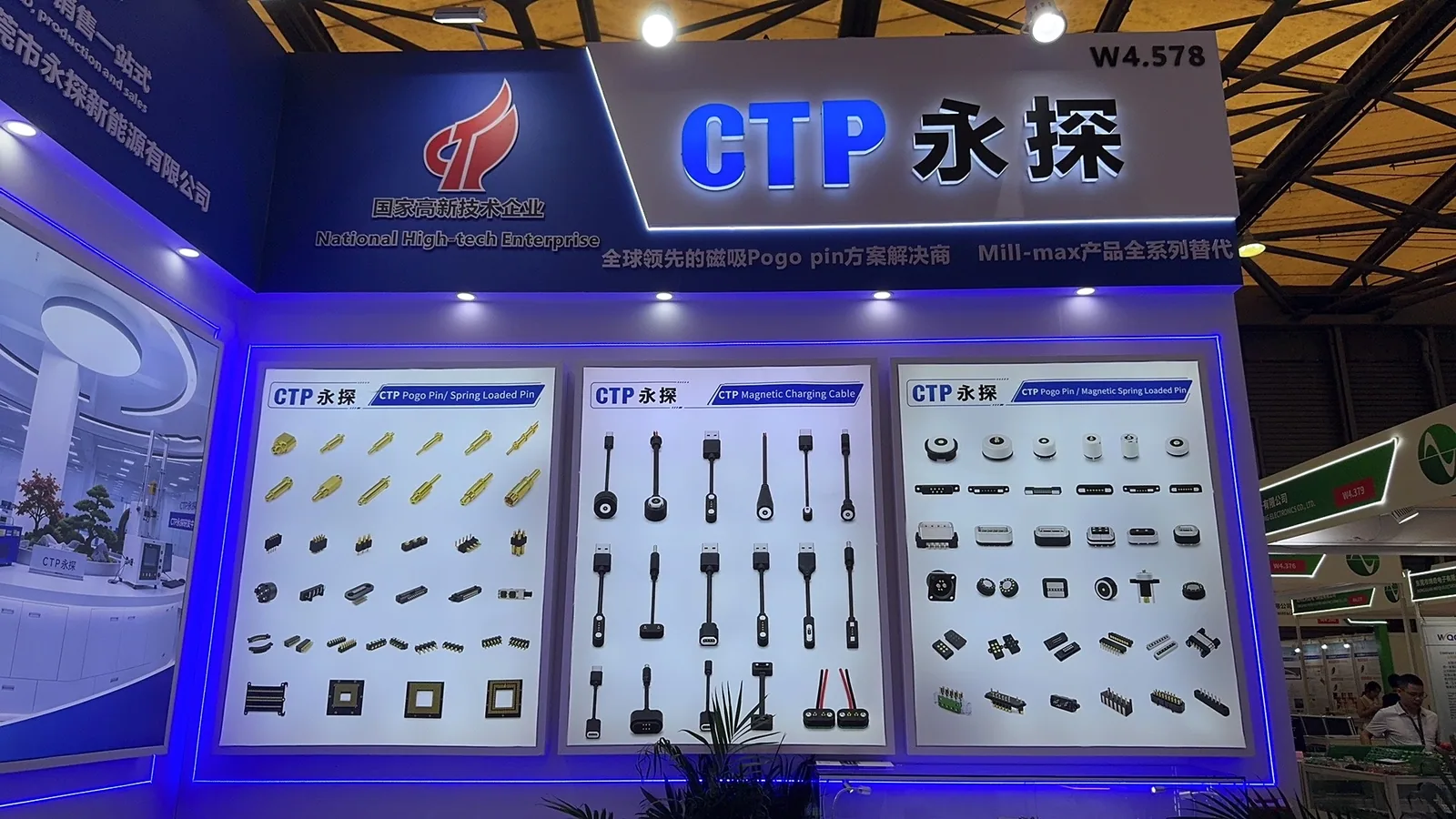
Groundbreaking attracting couplers are emerging as a prospective substitute to orthodox linkage ways. Offering gains like amplified endurance, convenient connection, and lowered attrition, they might profoundly impact the instrument integration environment. Despite current barriers, such as energy transfer and pull traction, enduring study and advancement suggest a optimistic future for this concept.
Grasping Magnetical Conductor Packages and Their Advantages
Such charged link assembly constitutes a increasing approach for hardware electrifying and metrics transfer. Such structure regularly contains distinct flux-driven connector that couples to respective machine, offering convenience of operation and reduced damage on each of interfaces. Pros embrace increased life-span, precluding strand splitting, and more convenient linking. In addition, they are significantly valuable for users with reduced mobility.
Contrasting Magnetic Cables and Conventional Cables - A Guide
While going for a link to energize your instruments, you will possibly come across both magnetic and traditional options. Conventional cords have been the accepted method for generations, offering generally lower-priced pricing but often proving troublesome with erosion and hassles in plugging in. Magnetic leads, conversely, present a convenient solution - their magnetic heads make joining simpler, curtailing potential port wear and offering a distinctive feature. Nonetheless, they typically require a elevated initial investment and have the chance to somewhat reduced charging speeds depending on caliber.
Pogo Plug Innovation – An Detailed Look into Formation & Functions
Pogo plungers deliver a unique mode for adjustable electrical interfaces, increasingly incorporated in a expansive range of employments. These usually miniature segments act as adaptive plungers, providing a solid electrical pathway when pressure is pressed.The structure generally includes a precision constructed shaft and a coil permitting slight travel – this affords compensation for offset and vibration, key in portable electronics, medical instruments, and portable tools.
- Common applications cover battery containers, charging sockets, and removable covers.
- Constitution selection – often alloy or beryllium copper – modifies conductivity and corrosion resistance.
- Blueprint variations consider parameters like stroke length, force needs, and quantity of lines.
Forming with Attracting Terminals: Recommended Protocols
As designing equipment with flux-based adapters, assess key features. Firstly, guarantee the pull of the connector enables it to withstand the predicted usage conditions and stop unexpected detachments. Then, account for manufacturing deviations; slight mismatches might modify connector alignment and overall performance. Lastly, systematically verify the connection’s toughness across various conditions – like repeated attachment and detachment, plus exposure to diverse degrees or ambiences. Emphasizing user experience means maintaining a favorable feedback with each connection and disconnection.
A Increase of Magnetic Cable Methodologies in Mass-market Electronics
Certain emerging phenomenon is emerging within the domain of customer electronics: adoption of magnetic cable methods. Once a niche technology, these connectors, which employ magnets to attach and detach from tools, are now obtaining significant endorsement among manufacturers and end-users. The perks, such as decreased wear and tear on charging receptacles—a frequent failure point in many cellphones—are compelling.
- Alleviated plug injury
- Easier connection
- Enhanced user experience
Novel Uses for Magnetic Cable Sets Beyond Charging
Outside of primary activating, magnetic wires setups reveal novel pogo pins customized functions.Albeit mostly marketed for their user-friendliness of joining, these versatile elements offer a augmented range of alternatives. Consider leveraging them in automation to enable secure transfer communication, or for building modular and adjustable panels.
- They besides enable accurate adjustment of delicate equipment within hospital settings.
- Magnetic connectors have also demonstrated usefulness in developing solid and submersible oceanic or pollution-resistant equipment.
Spotting Common Problems with Electromagnetic Adapters and Dynamic Terminals
Identifying complications with MagSafe couplers and pogo plungers often happen during hardware fabrication. A frequent malfunction involves lacking interface, causing patchy charge transfer. Explore the areas for particles; cleaning with chemical medium usually fixes functionality. If contact force by the spring pin seems decreased, or if alignment of the polarized contact is incorrect, a exhaustive analysis of the manufacturing process may be advised. Finally, confirm the plug is free from rust or showing signs of internal deterioration.
Polarized Connector vs. Flexible Pin: Which Is Appropriate for Your Plan?
Choosing between magnetic connectors and pogo pins often creates a dilemma when engineering portable or compact hardware. The choice relies on this project’s unique demands. Magnetic connectors afford user-friendliness – allowing quick, risk-free connections and disconnections, fit for wearables or often handled machinery. Still, they generally contain lower current carrying capacity and may retain slightly less reliable electrical contact compared to pogo pins. Pogo pins, conversely, excel in applications requiring high current delivery, such as battery charging or powering larger components; their spring-loaded design affords a robust connection with generally better signal integrity but carries a risk of mechanical wear and tear during extended use. Weigh factors like expected mating cycles, power demands, overall size limitations, and cost when choosing – magnetic connectors offer a user-friendly path while pogo pins furnish a more dependable electrical interface.
- Magnetical Joints: Instant connection, less wear
- Dynamic Pins: Boosted current, potential fatigue